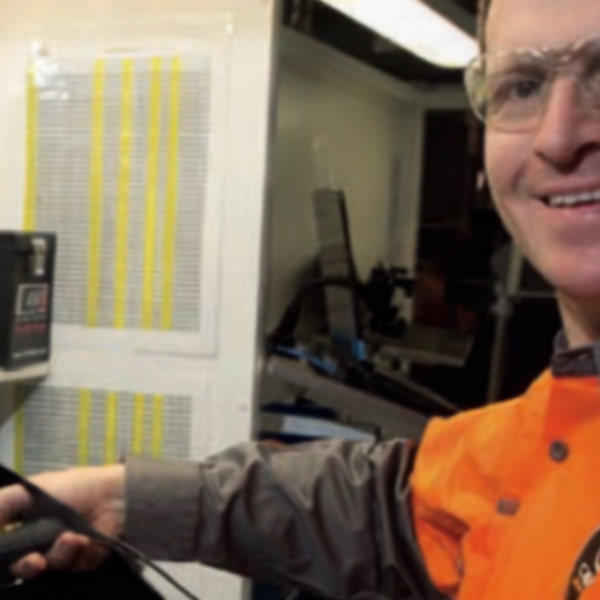
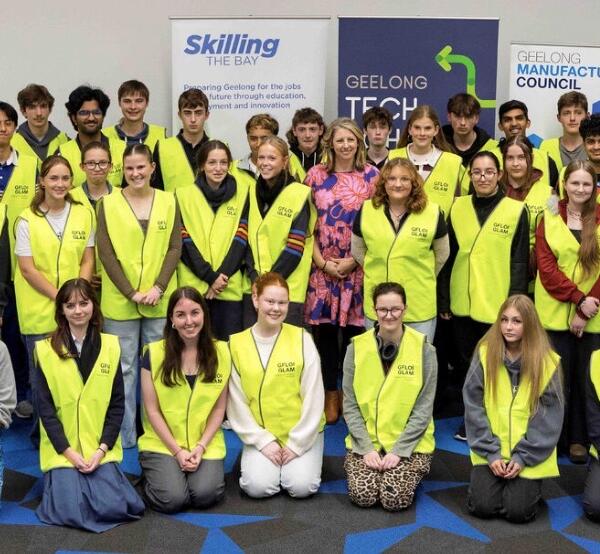
Training & skills: Enable TAFEs and universities to continuously align the development and delivery of accredited training with evolving manufacturing skills profiles, ensuring industry-ready outcomes now and into the future. Support Victorian secondary schools to engage with defence industry, and TAFEs to develop defence internships programs.
Skilled migration: Regional occupation lists should be informed by a forward-looking evidence base that distinguishes between short-term, seasonal, and longer-term or persistent skills shortages. Genuine consultation with local manufacturers, industry associations, and leaders, is vital to identify priority occupations.
Attraction & retention: Government infrastructure investment decisions should account for their flow-on effects on manufacturing’s ability to attract and retain skilled workers, not just the jobs that the projects create directly.
Why
Training and education frameworks need to deliver relevant skills. Manufacturing offers rewarding and challenging jobs in regional Australia that make significant contributions to the local, state and national economies both directly and indirectly. Manufacturing is key to Australia’s sovereign capability development and an appropriately skilled workforce is a must.
Net internal migration to regional Victoria has declined significantly since 2016-17, particularly among individuals aged 25-44. Migration should be viewed as a short-to-medium term strategy to ease workforce and skills shortages. It should be integrated effectively with broader initiatives aimed at improving workforce development and participation.
Manufacturing and infrastructure compete for the same shrinking skilled trades pool: regional labour shortages are forecast to quadruple by 2027, while manufacturers already report critical apprentice retention issues and rising demand. Uncoordinated investment risks undermining both sovereign manufacturing capability and infrastructure delivery.